
Exam, revision and parenting advice: page 4
Practical, evidence-led guides from Performance Learning's exam coaches, plus Dear Dr Tej, where founder Dr Tej Samani answers parents' questions.
What is the national curriculum and why does it matter?
The national curriculum is the framework that sets out the subjects and content pupils must learn at each stage of school. It is split into four key s…

How to support a child with exam anxiety
Dr Tej Samani says exam anxiety is less about the exam than the identity and meaning a child attaches to it. Parents can help in two steps: reframe ex…

How many GCSEs do you take – and what subjects can you pick?
Most students in England take between 8 and 10 GCSEs. English, Maths and Science are compulsory, with Science taken either as three separate sciences …

How Can Parents Support Their Child’s Mental Health?
Parents can support their child’s mental health by helping them understand their emotions and behaviours. Six practical ways are building emotional re…

How to get motivated to do school work
To get motivated to do school work, break big tasks into realistic, achievable goals with mini deadlines, and tackle the hardest parts first. Work in …

How to revise and make revision fun
Effective revision combines active recall, spaced repetition and a variety of strategies, and making it fun helps children stay engaged and remember m…

Relaxing After Exams: How to Beat Post-Exam Stress
Post-exam stress is the worry, unease or anxiety some students still feel after their exams, often because their mind stays on high alert or they are …

How to improve time management in exams | 6 Tips for Success
Good exam time management starts with seeing the exam as a manageable challenge rather than a threat. Learn the paper’s format and set timings for eac…

How Your Child’s Learning Style Affects Their Learning
A child’s learning style, such as visual, auditory or kinaesthetic, shapes how engaged they feel and where they may struggle. Parents can support it b…
How to improve your child’s memory for exam success
To improve a child’s working memory for exams, use strategies that practise moving information from long-term memory into working memory. Chunk long t…

Revision break ideas to guarantee exam success
Revision breaks are essential because focused work draws on brain networks that need time to recharge. Start with around 20 minutes of study and a 5 t…

Do GCSEs Matter?
Yes, GCSEs matter. Grades affect which sixth form or college a student can attend, and universities such as Oxford, King’s College London and UCL cons…

How To Create An Effective Study Space Using Feng Shui: 10 Top Tips
To create an effective study space, give your desk as much natural light as possible, keep it tidy and place it in the Feng Shui ‘command position’, w…

Downtime During Exam Season
Downtime during exam season, meaning time spent resting, sleeping, socialising, exercising or enjoying hobbies, helps students revise more effectively…

Tackling Overwhelm During Exam Season
Students can tackle exam-season overwhelm by learning to understand their emotions rather than trying to brush them off. In Performance Learning’s cas…

What Are My GCSE Options?
Most students choose their GCSE options in Year 9, though some schools ask in Year 8. Maths, English and Science are compulsory, and Science can be ta…

IGCSE vs GCSE: 5 key differences you should know
GCSEs are the secondary qualification taken in England, Wales and Northern Ireland, usually at the end of Year 11, while IGCSEs are an international v…
9 Things You Should Know When Hiring A GCSE Maths Tutor Online In London
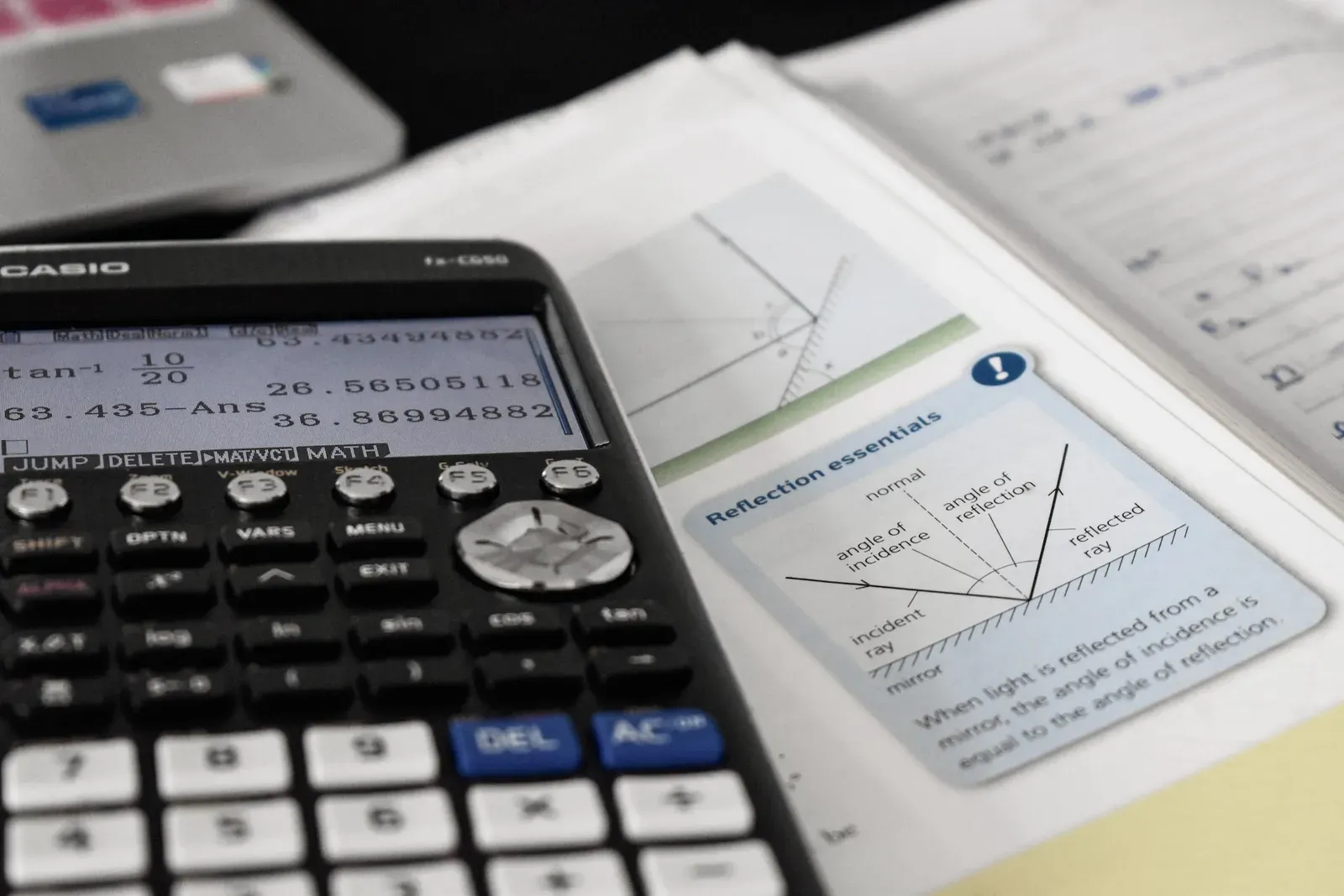
When hiring a GCSE maths tutor online, check nine things: qualifications, specialist expertise, reviews, track record of results, availability across …