
Guides for parents and students
In-depth guides on the UK education system, qualifications, study skills and supporting your child.

How to prepare for your GCSEs: a teenager’s guide to success
To prepare for GCSEs, start revising at the beginning of the school year with short, regular sessions. Build a realistic, flexible timetable by workin…
The ultimate back to school guide for student success
To make a strong start to the school year, Performance Learning recommends setting up a tidy study space, easing back into earlier bedtimes and a pred…
What to expect on GCSE results day: a complete guide
On GCSE results day, most schools open from around 8am, so check your school’s times in advance. Bring photo ID and a charged phone, and decide how yo…

What to expect on A Level results day: a complete guide
On A Level results day, students can collect results from school or college, usually from 8am, while UCAS Hub confirms whether firm or insurance choic…

A complete guide to thriving with your increased A Level workload
To cope with the bigger A Level workload, students should accept that they will study fewer subjects in more depth with more independent learning, the…

Results day survival guide: what to do next if you passed, failed or were borderline
After results day, take time to breathe and reflect, then talk to family, friends and teachers. If you failed or were borderline, work out where you l…

Charity shop challenges to home cinemas – 10 budget ways to keep kids entertained in summer holidays
You can keep children entertained over the summer holidays on a budget by making the most of home and free local options. Try a home cinema afternoon,…
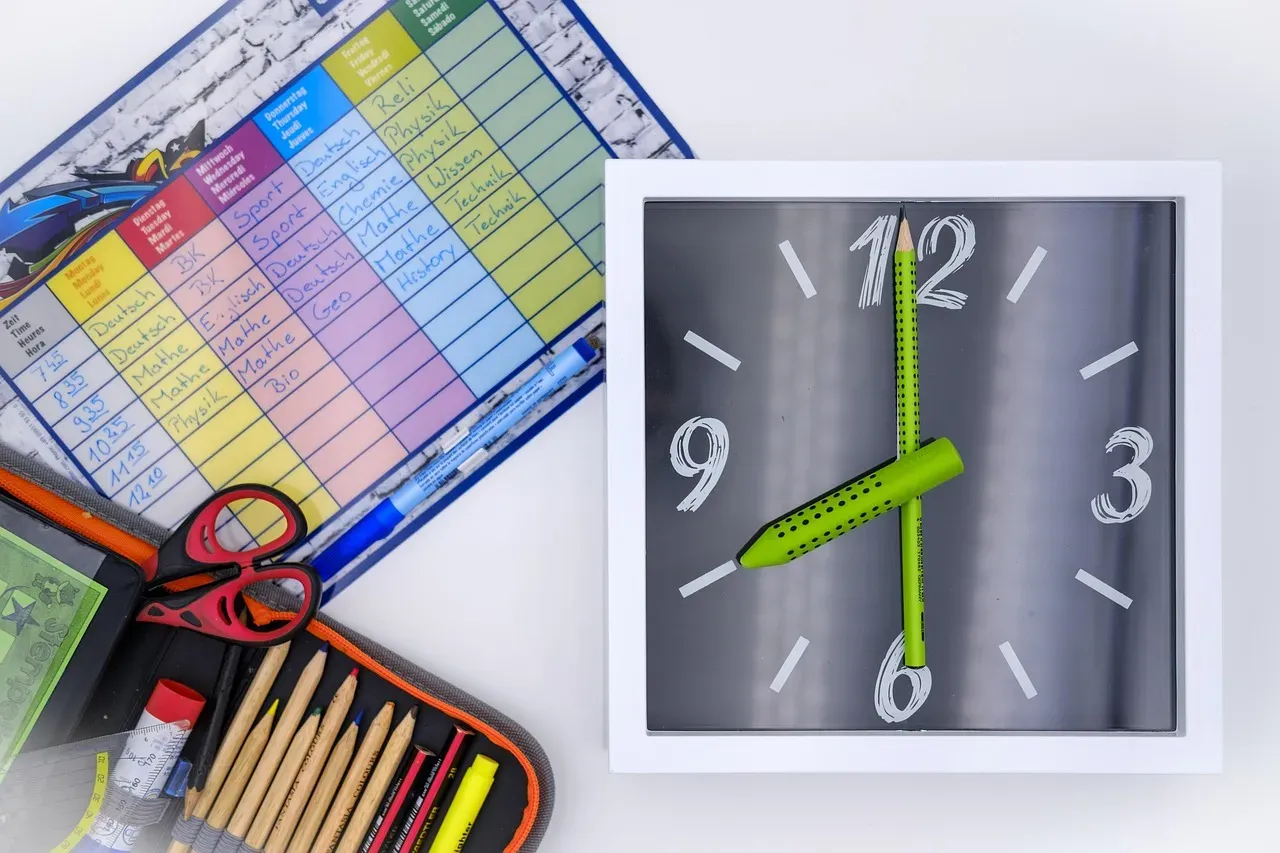
Why your revision plan isn’t working – and 10 tips to fix it
Most revision plans fail because they are built on hope rather than strategy. To fix yours, prioritise low-confidence topics, start with realistic 25-…
How are GCSE and A Level grade boundaries set? Everything students and parents need to know
GCSE and A Level grade boundaries are set by exam boards after exams are taken and marking is nearly finished. Boards compare this year’s marks with p…

10 signs your child needs exam coaching rather than tutoring
Your child may need exam coaching rather than tutoring if the problem is not subject knowledge but confidence, stress, revision structure or exam tech…

What are UCAS points and what do they mean? Your guide to university entry
UCAS points, officially UCAS Tariff points, convert post-16 qualifications and grades into a single score so universities and colleges can compare app…

How to build school confidence over summer break: 10 easy tips for parents
Parents can build a child’s school confidence over the summer with small, steady steps: keep a regular routine, review last year’s learning, set small…

10 sleep tips for children to help them doze off faster & stay asleep
To help children fall asleep faster and stay asleep, keep consistent sleep and wake times, encourage daytime exercise, limit screens before bed and av…

How to prepare for university: a parent and student guide to thriving, not just surviving
Preparing for university goes beyond grades, UCAS forms and open days. Students need to learn independently, manage their own time and be emotionally …

Goal setting for students: how to set academic goals that actually stick
Students set goals that stick by starting with what they value, then turning target grades into specific behaviours they control, such as writing one …

How Can Parents Support Their Child’s Mental Health?
Parents can support their child’s mental health by helping them understand their emotions and behaviours. Six practical ways are building emotional re…

How to get motivated to do school work
To get motivated to do school work, break big tasks into realistic, achievable goals with mini deadlines, and tackle the hardest parts first. Work in …

How to revise and make revision fun
Effective revision combines active recall, spaced repetition and a variety of strategies, and making it fun helps children stay engaged and remember m…