
In short
Attention, memory and motivation can be built like muscles, says Dr Tej Samani, so the answer to screens is training rather than banning. Parents can build “focus stamina” through single-tasking, make memory playful with stories and songs, break tasks into small, celebrated wins, and teach real-world skills, confidence and empathy.
Key takeaways
- Banning phones is not a long-term fix; children need skills to handle distraction.
- Build focus stamina with single-tasking, such as Lego without a soundtrack or reading before bed.
- Children remember more when learning comes through stories, songs, patterns and laughter.
- Break big tasks into small wins and celebrate progress loudly to sustain motivation.
- Practical tasks like planning a family dinner on a budget build responsibility and self-confidence.
If you’ve been struggling to motivate your child to focus on school or revise for their upcoming exams – be it GCSE, A Level or something entirely different – then you’re in the right place.
Perhaps you’ve noticed they spend more time in their room, endlessly scrolling through TikTok, Instagram or YouTube. Or maybe when they are with you, having a conversation whilst they stare down at their little screen is like drawing blood from a stone. It’s not ideal, is it?
Unfortunately, technology isn’t going anywhere. You could ban the phone, but unless you want to become Public Enemy Number One in your own home, it’s not a long-term fix.
Screens are a part of modern life – and yes, the effects on focus, memory and motivation are very real. But here’s the good news: there are proven ways to counterbalance it.
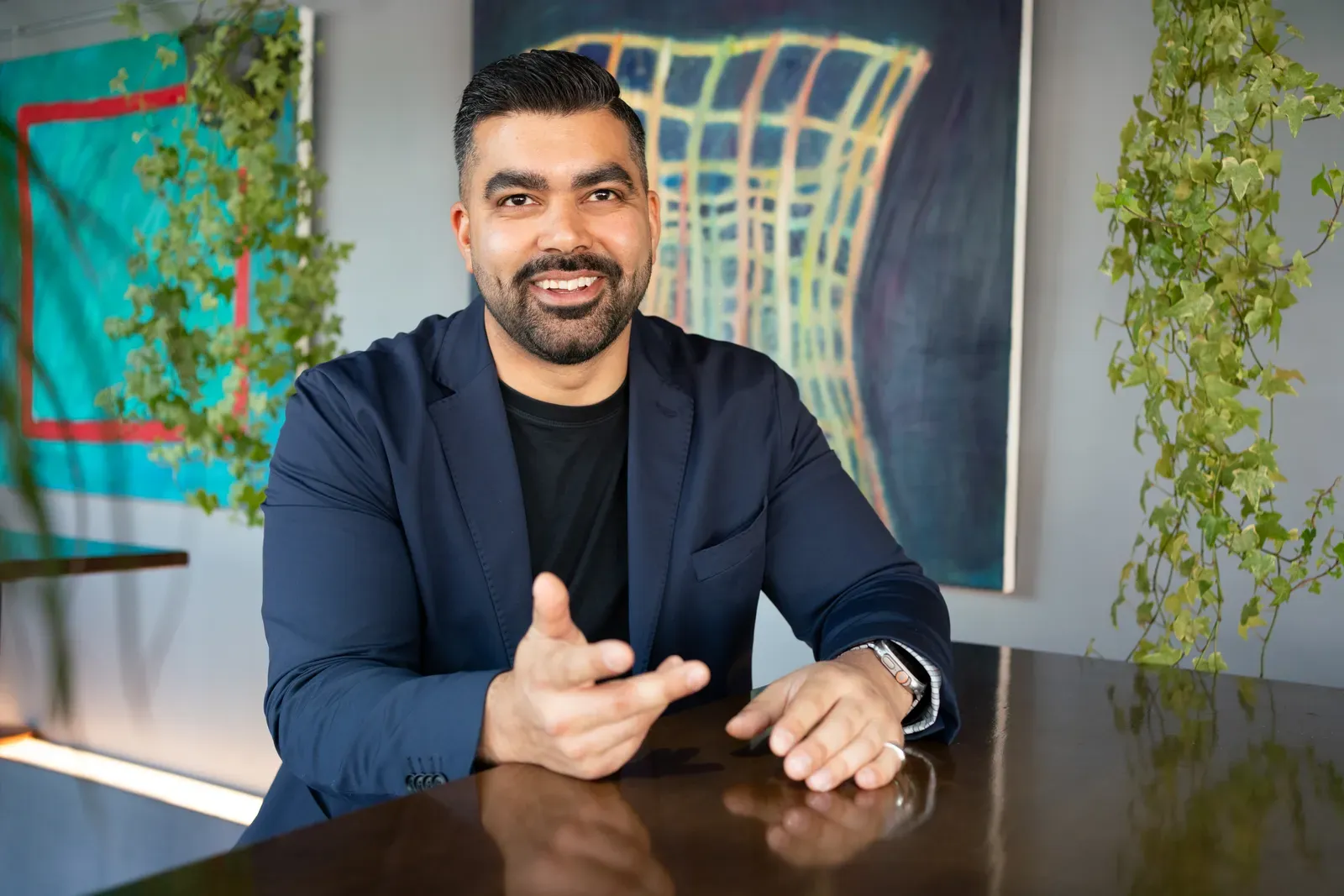
Earlier this week, Performance Learning founder and exam coaching expert Dr Tej Samani shared his insights in City Kids Magazine. He detailed how parents can help their youngsters strengthen focus, improve memory and rediscover their drive to learn.
“Attention, memory and motivation can be built like muscles,” Dr Tej said. “And when we add confidence, empathy and real-world skills into the mix, our children aren’t just surviving the scroll… they’re future-proof.”
Here’s what else Dr Tej had to say about raising focus, memory and motivation in our distracted world…
‘Attention is the new superpower’
Endless scrolling on TikTok is comparable to flipping the page every two seconds when reading a book. It’s pointless, and can’t be good, right? To beat this, you need to train your child’s attention. At Performance Learning, we call it focus stamina.
“Focus stamina can be built by dedicating time to single-tasking,” Dr Tej recommended. “Lego without a soundtrack, reading before bed, baking a cake without three devices competing. Tiny moments of undivided attention whisper to the brain: you don’t need to jump every time something pings.”
Remember more than revision
“Memory isn’t just for exams,” advised Dr Tej. He urged parents to work with their children to remember bedtime routines, keep promises and recall kindness.
“The fix is connection,” he added. “Kids lock knowledge in when it’s presented through stories, songs or silliness. The brain loves patterns, stories and laughter. And when memory feels like a game, kids don’t roll their eyes, they join in.”
Sustaining motivation
You don’t need us to tell you, but the endless-scrolling nature of TikTok gives kids dopamine rush on tap. How could ‘boring’ homework ever measure up? The trick is to praise your child’s school and revision efforts, every step of the way. This will make them want to focus on school in the long run.
“Break big tasks into small wins,” said Dr Tej. “Celebrate progress loudly. Motivation grows when kids see their graft matters. A child who feels cheered for resilience will take on the tougher jobs life throws their way.”
Start teaching real-world skills early
Yes, even as young as eight-years-old. “What if we spent less time obsessing over grades and more time teaching practical, vocational skills? Think: teamwork, problem-solving, communication, and creativity.” Dr Tej implored.
“Kids can build these now. Let them plan the family dinner (budget included), design a poster for the school fair or help repair a wobbly shelf. It looks like play, but underneath, they’re building responsibility, initiative and self-confidence. That doesn’t expire with the next TikTok trend.”
The hidden curriculum
At Performance Learning, we’ve come to love this idea of the hidden curriculum. Beyond the national curriculum and demands to focus on school, there’s an education programme you can implement in your home – teaching your child how to lead with confidence and empathy, both for themself and for others.
Dr Tej explained: “Both skills shield kids from anxiety and peer pressure. Plus, they grow when parents model them. Show your child how to bounce back from mistakes (‘Oops, burnt the toast, try again!’). Also, let kids see you listen deeply. Ask their opinion at dinner and show them their voice matters. Those micro-lessons stick.”
Parenting in the TikTok era
“We can’t rewind to a pre-scroll childhood, but we can arm our children with skills to handle it,” assured Dr Tej. “Attention, memory and motivation form the foundation. Then, vocational skills, confidence and empathy are the beams and bricks. Together, they build resilience.”
Parenting isn’t about shielding kids from every distraction, but rather preparing them to thrive in spite of it. So, you can rest assured that joining them in a TikTok dance or two probably won’t hurt either.
Read the latest issue and Dr Tej Samani’s full article in City Kids Magazine here.
Frequently asked questions
How can I help my child concentrate when they are always on their phone?
Banning the phone is unlikely to work long term. Dr Tej Samani recommends training attention instead, building what Performance Learning calls focus stamina through single-tasking. Examples include Lego without a soundtrack, reading before bed or baking a cake without devices competing for attention. He says these small moments of undivided attention teach the brain it does not need to jump every time something pings.
How do I motivate my child to do homework when social media is more exciting?
Endless scrolling offers a constant dopamine rush, so homework can feel boring by comparison. The advice is to praise your child’s school and revision efforts every step of the way. Dr Tej Samani recommends breaking big tasks into small wins and celebrating progress loudly. Motivation grows when children see their effort matters, and a child who feels cheered for resilience will take on tougher challenges.
How can I help my child remember things better?
Dr Tej Samani says memory is not just for exams. He encourages parents to help children remember bedtime routines, keep promises and recall acts of kindness. The key is connection: children lock knowledge in when it is presented through stories, songs or silliness, because the brain loves patterns, stories and laughter. When memory feels like a game, children join in rather than rolling their eyes.
What is the “hidden curriculum” for children?
It is the education parents can offer at home beyond the national curriculum: teaching children to lead with confidence and empathy, for themselves and others. Dr Tej Samani says both skills help shield children from anxiety and peer pressure, and they grow when parents model them. Show how to bounce back from small mistakes, listen deeply and ask your child’s opinion at dinner.
Not sure what's holding your child back?
The Foresight assessment takes about 25 minutes online and shows how your child learns, what gets in the way and what to do next, with action plans for them and for you. £50.